
Ah-Cha Menu
Matcha content source:
Mcnamee, G.L. (2024). Matcha | Origins, Uses, Japanese Green Tea Type, & Health Benefits | Britannica. [online] www.britannica.com. Available at: https://www.britannica.com/topic/matcha.
yhgdgsm86lm (2025). What Does Matcha Taste Like? A Beginner’s Complete Guide to Japanese Green Tea – Matcha Depot. [online] Matcha Depot. Available at: https://matchadepot.com/2025/08/19/what-does-matcha-taste-like/.
The Core Taste of Matcha
Matcha has a unique Japanese green tea with umami, natural sweetness, earthiness, and creaminess. This helps you define matcha as a stone-ground powdered green tea with a layered flavour profile.
- Umami (Savoury Depth): This is the most distinctive element of high-quality matcha. It’s smooth, rich, and deeply satisfying.
- Natural Sweetness: Premium matcha has a gentle, creamy sweetness without any added sugar.
- Earthiness: A vegetal, grassy undertone that feels fresh and green.
- Balanced Bitterness: Different grades have different taste. Lower grades may taste more bitter, but in high-quality ceremonial matcha, bitterness is balanced and subtle.
- Creamy Body: When whisked (with a ‘chasen’ – a traditional bamboo whisk), matcha develops a frothy, velvety mouthfeel that makes it incredibly smooth.
Origins of Matcha (Culture and History)
Matcha, powdered green tea of Japanese origin by way of China, and popular among tea connoisseurs everywhere.
It was introduced to Japan in the 1100s by a Zen Buddhist monk returning from study in China. The tea seeds were brought over to Japan and established a practice called “the way of tea”, by which the perfect preparation of tea became an exercise; The tea grown for the ceremony was powdered, and then whisked with a bamboo brush called a ‘chasen’ into boiling water.
Matcha (Mat-cha)
- Matsu – to rub, to daub, to paint
- Cha – tea
Extraction-to-Production Process
- Matcha is to be taken from shade-grown tea plants, which has the highest level of chlorophyll and have bright green colour; only the buds and top 3 layers of the young tea plant is to be harvested.
- The tea leaves are then steamed to stop the oxidation process and then are grounded in stone mills into powder
Different Matcha Grades
Ceremonial Grade
- Taste: Naturally sweet, velvety, deep umami finish
- Texture: Silky and frothy when whisked.
- Best For: Traditional tea drinking
Premium Grade
- Taste: Balanced sweetness and slight bitterness.
- Texture: Smooth with just enough boldness for versatility
- Best For: Beginners, daily drinking, or matcha lattes.
Culinary Grade Matcha
- Taste: Stronger, slightly more bitter, with bold vegetal notes.
- Texture: Robust enough to stand out when cooked or baked.
- Best For: Smoothies, baking, desserts and savoury dishes.
There are factors that can influence how a Matcha may taste:
- Shading of the tea plants – when growing, tea bushes are to be shaded for 20-30 days before harvest to boost chlorophyll and amino acids levels, creating its known sweetness and umami taste.
- Harvest season – extracting the leaves in the first harvest (Ichibancha) gives the sweet and smooth taste. In the second/third harvest, the taste becomes stronger and more bitter.
- Grinding method – in the processing stage, stone-ground matcha would create a smooth texture, while machine ground would create a more coarse texture and not as creamy.
- Water temperature – if the matcha is brewed too hot (above 80°C or 175°F), the tea becomes burnt, leaving a bitter taste.
- Preparation style – preparing with the Usucha approach (thin matcha), it leaves the matcha light and frothy (ideal of ease for beginners). Preparing with the Koicha approach (thick matcha), it leaves the tea intense and syrupy (usually researched for ceremonies).
Tips for enjoying the best taste:
control temperature between 70-80°C – to ensure the matcha powder still dissolves but not brewed to be burnt.
Choose authentic Japanese matcha – usually sourced from regions like Uji, Nishio or Fukuoka
Whisk with a chasen, a traditional bamboo whisk – it leaves froth and makes the taste creamy
use filtered water – clean water = cleaner flavour
Source: Hojicha Co. (2016). History of Hojicha. [online] Available at: https://uk.hojicha.co/pages/history-of-hojicha-roasted-green-tea?shpxid=f935e86f-a186-4a0e-a1c3-2398e5be7af9 [Accessed 30 Mar. 2026].
Ahmad, W. (2025). What Does Hojicha Taste Like? (Toasty, Caramel, Cosy). [online] Hojicha Lab. Available at: https://hojichalab.co.uk/blogs/what-is-hojicha-the-complete-guide/what-does-hojicha-taste-like-toasty-caramel-cosy [Accessed 2 Mar. 2026].
Far (2020). How Hojicha Is Made: The Roasting Process Explained. [online] FAR EAST TEA COMPANY. Available at: https://fareastteacompany.com/blogs/fareastteaclub/manufacturing-process-of-hojicha [Accessed 30 Mar. 2026].
Hojicha
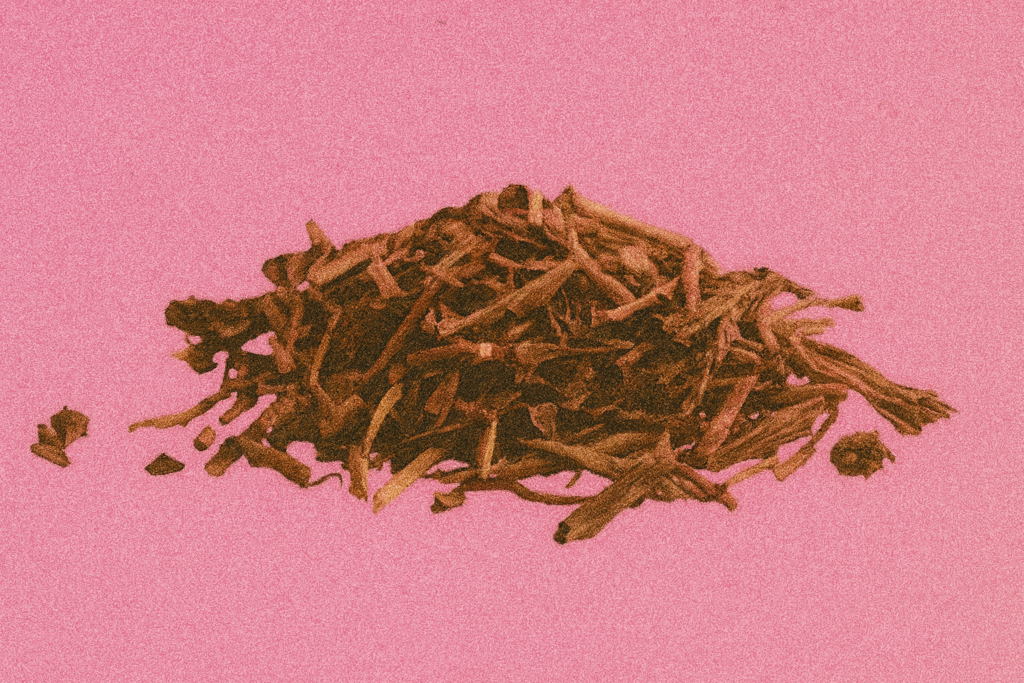
The taste of Hojicha. Imagine the aroma of warm toasted nuts drifting from a bakery and the soft sweetness of caramelising sugars. If “grassy” or “seaweed-y” isn’t your vibe, hojicha is the gentler green: roasting softens green notes into nutty, malty warmth.
Powder vs Loose Leaf Taste
- Powder (for lattes & whisking) – Hojicha powder disperses the roast into every sip, giving a richer flavour intensity and a slightly creamier body—even in water alone. Expect pronounced cocoa, malt and toffee edges. Because you ingest the fine particles, the flavour is more concentrated and the colour deeper amber to mocha.
- Loose leaf (brewed) – Loose leaf hojicha (including stemmy kukicha styles) tastes lighter and cleaner with a more transparent roast: toasted grain, gentle caramel and a refreshing, tea-like finish. Stems often add a soft natural sweetness and cereal note reminiscent of roasted barley tea.
Origins of Hojicha (Culture and History)
Source: Hojicha Co. (2016). History of Hojicha. [online] Available at: https://uk.hojicha.co/pages/history-of-hojicha-roasted-green-tea?shpxid=f935e86f-a186-4a0e-a1c3-2398e5be7af9 [Accessed 30 Mar. 2026].
In the Nara period (AD 710 – 794), Buddhist monks brought green tea from China to Japan. The monks believed green tea improved their meditation practice, as it had health benefits for the mind and body.
During the Heian period (794 – 1185), royals began enjoying green tea after an endorsement by Emperor Saga. Then in 1211, Japanese green tea became even more popular with the publication of Myōan Eisai’s book: Kissa Yojoki (How to Stay Healthy by Drinking Tea). Zen master Eisai wrote about the preparation and health benefits of green tea, inspiring all classes to drink green tea as part of their daily life.
Extraction-to-Production Process
- Choosing the raw material – not every green tea becomes Hojicha. The classic base is Bancha which is the larger, mature leaves harvested later in the season; Stem tea (kukicha), another choice, is harvested from roasted stems which produces a lighter, sweeter cup called ‘kuki-hojicha’. Some uses late-harvest ‘ichibancha’ (first-picked tea) for more refined Hojicha with deeper sweetness.
- Traditionally, tea was roasted in a ‘horoku’-a flat unglazed cermaic pot held over charcoal which distributes heat gently and absorbs moisture from the leaves. In modern times, tea is roasted in a rotating metal drum-like a coffee roaster. The drum tumbles the leaves non-stop to ensure even heat distribution and consistent colour.
- Preheating – drum brings the tea to target temperature (150-200°C).
- Loading – dried green tea leaves added in a thin even layer.
- Iinitial roasting – moisture evaporates sitting at the temperature 150-170°C for 1-3mins, and leaves begin to change colour.
- Main roasting – maillard reaction peaks, pyrazines form, and aroma intensifies, at 170-200°C for 2-5mins.
- Cooling – leaves spread on a flat surface or cooling tray to stop the reaction, at room temperature.
Hojicha (Hoji-cha)
- Hoji – to roast
- cha – tea
Tips for enjoying the best taste:
You don’t need a ‘horoku’ (drum roaster), a frying pan will do:
- Spread a thin layer of tea leaves in a dry, unheated frying pan. Turn the heat to medium.
- Let the leaves sit undistributed for a minute – don’t stir; you want the bottom layer to begin releasing moisture before you move anything.
- After sensing the first bit of aroma, start stirring gently with wooden spatula to keep the leaves moving and avoiding being scorched or burnt. Roast until they reach the colour and fragrance you like; usually around 2-4mins.
- Remove from heat immediately and spread the leaves on a cool plate. Brew with water just off the boil (might be around 70-80°C, based on the matcha method so it’s not too high to become burnt) and steep for about 30secs.
…The liquor should be a clear reddish brown.
Source: Genmaicha Research Institute. (2023). History of Genmaicha. [online] Available at: https://genmai-cha.jp/en/history-en/ [Accessed 30 Mar. 2026].
riching (2024). What Does Genmaicha Taste Like? – Riching Matcha. [online] Riching Matcha. Available at: https://richingmatcha.com/what-does-genmaicha-taste-like/ [Accessed 30 Mar. 2026].
Cockburn, J.A. (2024). Genmaicha Green Tea: How to Brew It, How It’s Made, and More | Steeped & Brewed. [online] Steepedandbrewed.com. Available at: https://steepedandbrewed.com/genmaicha-green-tea-basics/#the-origins-of-genmaicha-green-tea [Accessed 30 Mar. 2026].
Genmaicha
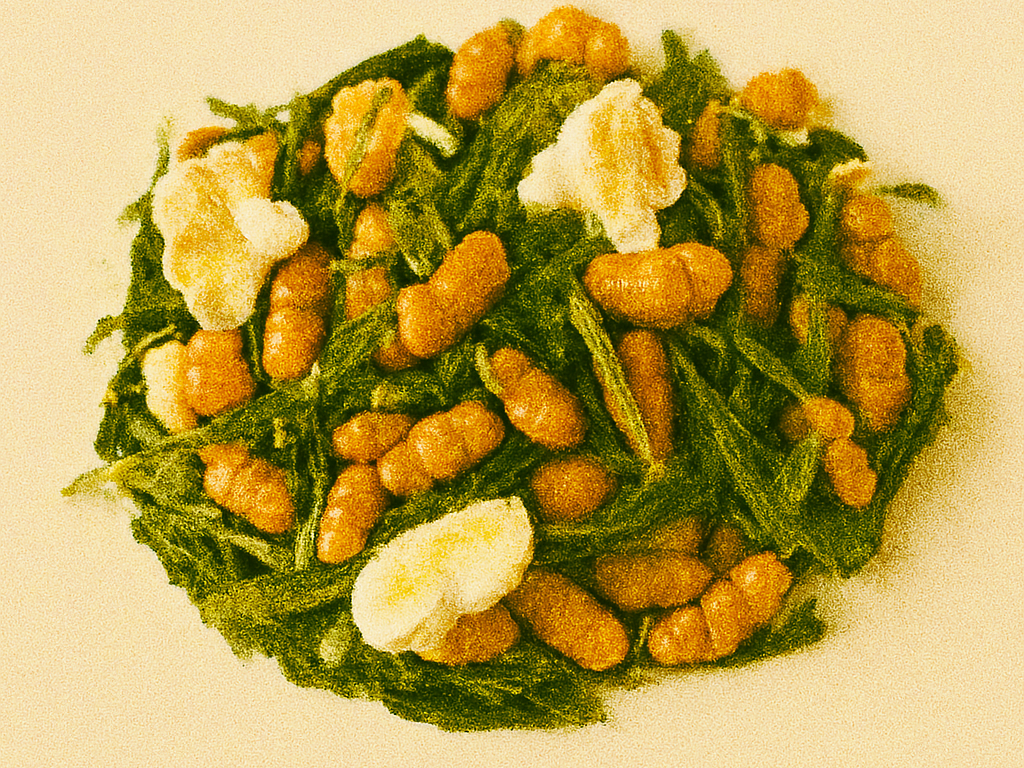
Often referred as ‘brown rice tea’; a traditional Japanese blend of green tea leaves with roasted brown rice, creating a tea that offers both refreshing taste of green tea and the comforting, toasty notes of roasted rice. Originally enjoyed by those wanting affordable tea.
- Toasty & nutty taste – from the roasted brown rice
- Fresh & grassy – from the green tea base
- Earthy & warm – deeper undertones from the roasted grains
- low bitterness – the rice softens the astringency of greentea
- slight natural sweetness – from caramelised rice sugars during roasting.
Origins of Genmaicha (Culture and History)
There are 2 theories:
One theory, dating back to pre-war Kyoto, where tea merchants considered leftover rice crumbs from mochitsuki (rice cake pounding) as wasteful. So they roast and mix the rice crumbs with tea leaces.
Another theory, suggesting that in Zen cuisine, the crispy rice grains left on the bottom of the pot after cooking were added to tea.
Genmaicha (Genmai-cha)
- Genmai – brown rice
- cha – tea
Extraction-to-Production Process
- Green tea leaves, typically bancha or sencha, are steamed, rolled and dried; sencha green tea is made with young, tender tea leaves from the top of the tea plants; bancha green tea leaves is a lower-grade tea, made with older, tougher leaves that are lower on the plants.
- the roasting process of roasted rice causes some of the rice to puff and brown, while some grains will pop like pieces of popcorn. They are then blended with the dried tea leaves, giving the tea a festive and playful look.
There are factors that can influence how a Genmaicha may taste:
- Heat freshly drawn water around 70-80°C. Too high would make the tea taste bitter.
- Preheat the mug or teapot with hot water, then discard the water.
- Measure the tea about 4g (1-1.5 tsp) per 8 ounces of water.
- Add tea leaves directly to the teapot or infuser with room for leaves to move around, and unfurl (avoid those little tea ball infusers – too small to allow the tea to unfurl properly).
- Steep: once the water is ready, pour it over the tea leaves and let the tea steep for 2-3mins.